
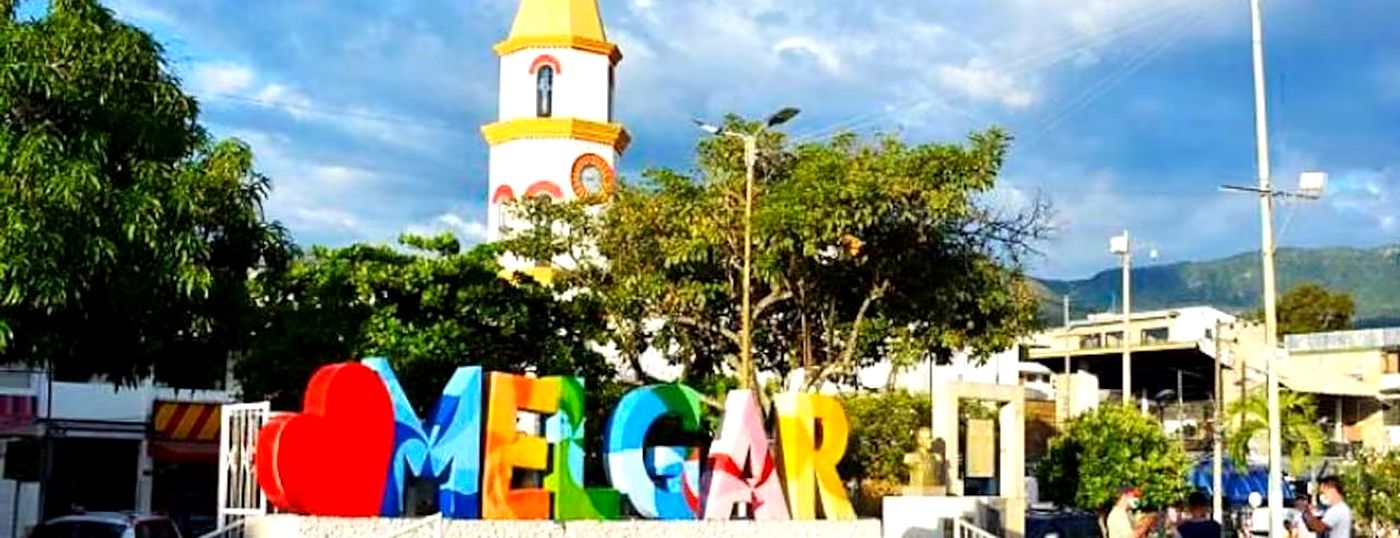
If you ask anyone in Bogotá where they go to escape the cold, you will hear the same answer: Melgar. It is a small town in the Tolima department, two to three hours south-west of the capital, and it has an unusual claim to fame — more than five thousand swimming pools.
Why so many pools?
Three things came together here.
- The climate never changes. Colombia sits on the equator, so there are no seasons. Melgar is warm every single day of the year, around 28 °C / 82 °F, ranging from roughly 23 °C at dawn to 34 °C at midday.
- Bogotá is cold and close. The capital sits at 2,600 m / 8,500 ft and hovers around 13 °C / 55 °F all year. Melgar is only 98 km / 61 miles away but 2,300 m lower. You drive for two hours and arrive in the tropics.
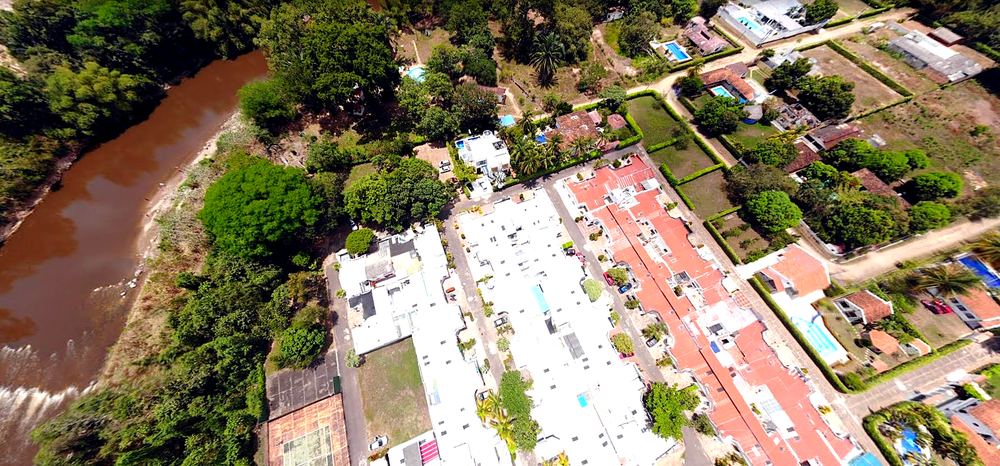
- There is plenty of water. Melgar sits in the Sumapaz valley, near where the river meets the Magdalena, Colombia's great waterway.
So from the middle of the last century, Bogotá families started building weekend houses here — and every one of them had a pool. Then came the residential complexes, the clubs and the holiday centres. Today Colombians call Melgar la ciudad de las piscinas: the city of pools.
The essentials
| Melgar | |
|---|---|
| Country | Colombia, department of Tolima |
| Distance from Bogotá | 98 km / 61 miles — 2 to 3 hours by road |
| Altitude | 323 m / 1,060 ft above sea level |
| Temperature | About 28 °C / 82 °F year-round (23–34 °C / 73–93 °F) |
| Language | Spanish. Very little English is spoken |
| Currency | Colombian peso (COP). Cards are widely accepted; carry some cash |
| Founded | 1720 |
A little history
Long before the Spanish arrived, this valley was home to Caribbean-culture peoples: the Panche, the Pijao, the Sutagao, the Pantágora and the Cualamaná. The first settlement here was called Cualamaná, after Chief Cuala, who led the resistance against the Spanish. The town was officially founded in 1720.
That indigenous past still lives on in the region's stories — especially El Mohán, a long-haired river spirit who smokes tobacco, plays music and tangles fishermen's nets if they forget to leave him an offering. Ask any older person in Tolima about him and settle in.
What Melgar is — and what it isn't
Let's be straight with you, because expectations matter.
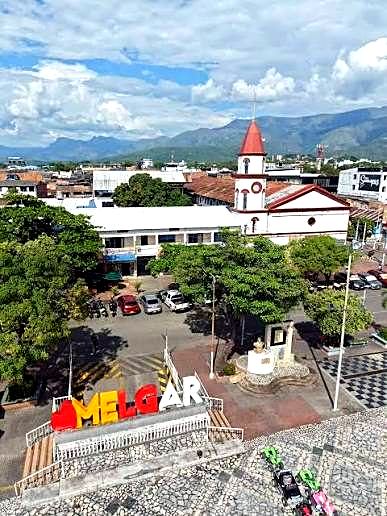
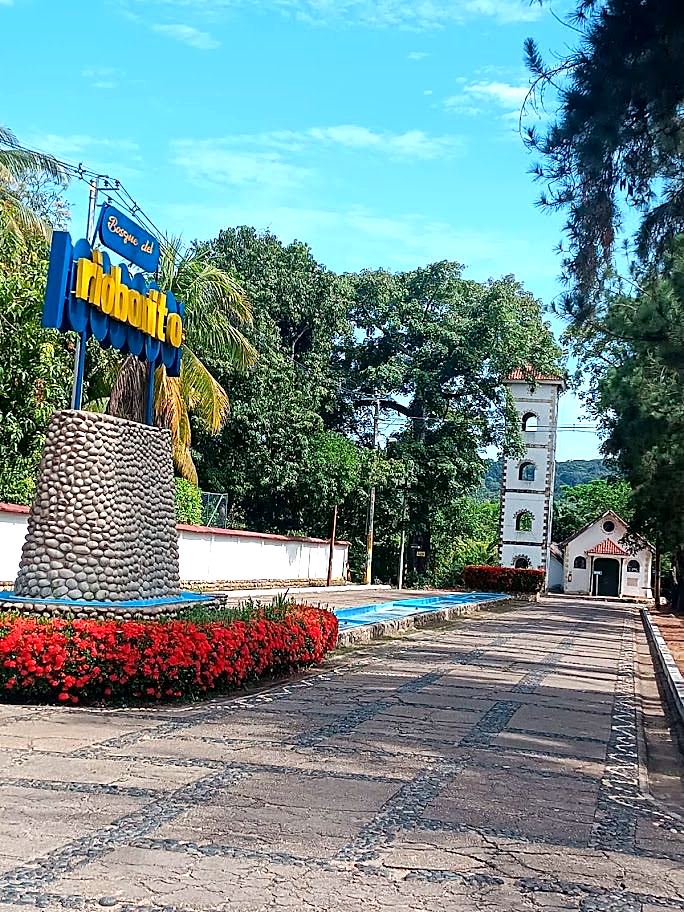
Melgar is not a colonial postcard town like Villa de Leyva or Barichara. It is not a beach. It has no cathedral worth a detour and no museum you must see.
What Melgar is is where Colombians actually go to relax. It is warm, green, unpretentious and full of families. If you want to see how Colombian families spend their weekends — long lunches, kids in the water until their fingers wrinkle, grandparents talking in the shade — this is the place. And the surrounding countryside is genuinely beautiful: rivers, creeks with clear water, waterfalls and palm-lined lanes.
The evenings
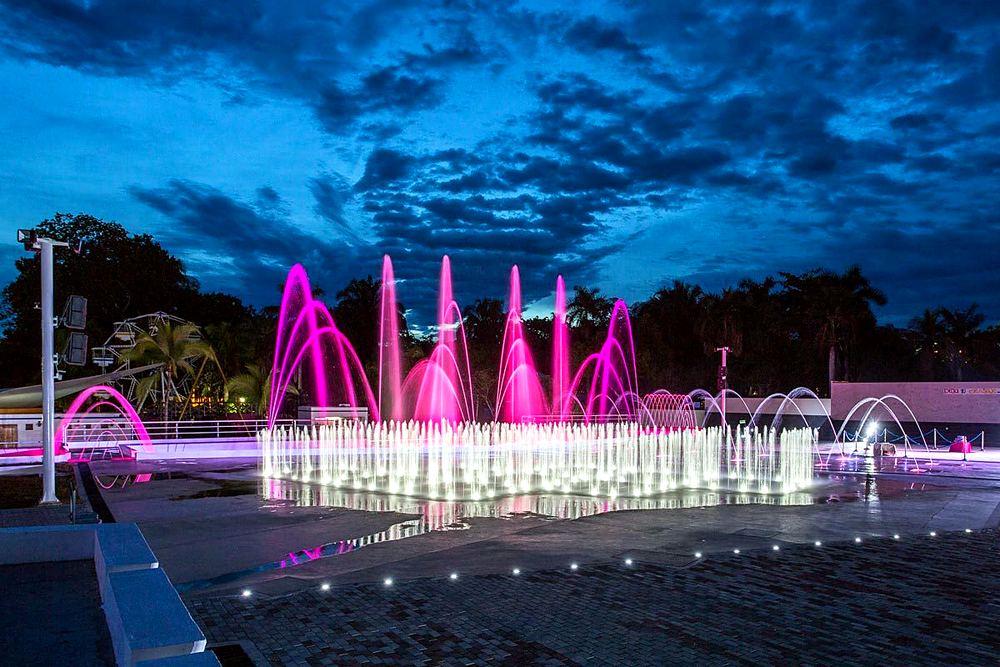
People underestimate this. The heat softens around five in the afternoon, a breeze picks up, and the town comes outside. The dancing fountains in the main park light up after dark and fill with children. It costs nothing and it is one of the nicest hours of the day.
Is it safe?
Melgar is a mainstream domestic holiday town, visited by hundreds of thousands of Colombian families every year. The usual sensible travel habits apply, as they would anywhere: keep valuables out of sight, use registered taxis, do not wander unfamiliar areas alone late at night. Staying inside a gated residential complex adds a layer of quiet and security that most visitors appreciate.
Ready to work out the logistics? Our next guide covers how to get to Melgar from Bogotá, including straight from the airport.